Sewage Cleanup in Mount Comfort, IN
Backwater valve and lateral questions come up after a backup, and Mount Comfort Water Restoration documents what the plumber finds in Mount Comfort
Mount Comfort Water Restoration is the Mount Comfort call for Sewage Cleanup: emergency crews around the clock, moisture readings instead of guesswork, and insurance files built properly. Call (463) 223-3831.
- Service: Sewage Cleanup for Mount Comfort homeowners
- Service area: Mount Comfort, IN and surrounding areas
- Response time: Emergency calls from Mount Comfort dispatched immediately, day or night
- Licensed and insured (License #RC21100059)
- Serving Mount Comfort, IN since 2018
Sewage Backup Cleanup in Mount Comfort
We handle sewage backup cleanup across Mount Comfort at any hour, and we'll bring the containment and protective gear sewage calls for.
When Backups Happen
Some homes around Mount Comfort are on septic systems, and a failing system can back up into the house.
We work in every corner of Mount Comfort, including Heron Creek and the blocks around Indianapolis Regional Airport and the Jaycie Phelps Athletic Center. We also clean up sewage backups in Lawrence, New Palestine, Fortville and Cumberland.
Expert Sewage Cleanup for Mount Comfort Homeowners
Tree roots grow into clay and cast iron sewer lines at the joints. The backups they cause tend to come back until a plumber fixes the line itself. For the water already inside your Mount Comfort home, Mount Comfort Water Restoration dispatches a crew within 2 hours. The crew removes the soaked material under containment and photographs the source, so your file shows what happened and where it came in.
Concrete is porous, so a slab that sewage reached gets scrubbed and rinsed, and the rinse water is extracted before the disinfectant goes on. The slab then gets its own moisture readings, because it usually reads wet longer than the framing does. Mount Comfort Water Restoration keeps the dehumidifiers running in your Mount Comfort home until the slab's numbers come down to the reference.
A septic backup keeps coming until the tank is pumped or the blockage is cleared, so the septic company's visit sets the pace. The crew builds containment while the tank is being serviced, then starts extraction in your Mount Comfort home once the flow has stopped. Mount Comfort Water Restoration adds the septic company's findings to the job file.
Repairing the sewer line itself is usually a separate matter from cleaning up the damage it caused, and policies often treat the two differently. Ask your agent how yours handles each. Whatever the answer, keep the plumber's report and invoice with the Mount Comfort Water Restoration cleanup file for your Mount Comfort home, since they show where the blockage was and what was done about it.
Fans and shop vacs move air across sewage and carry it into other rooms, so phone Mount Comfort Water Restoration before you start anything yourself. The crew in Mount Comfort can tell you what to leave alone until the work begins.
Signs You Need Sewage Cleanup
If you notice any of these in your Mount Comfort home, schedule a free inspection before the issue worsens.
A musty odor returning on humid days after a backup you thought you'd cleaned up
Standing water in the crawl space with a sewage smell and insulation hanging down wet
Dark wet stains spreading across the basement ceiling underneath an upstairs bathroom
Small flies or gnats collecting around a basement floor drain or utility sink
Carpet in the finished basement wet underfoot with a sour smell coming off it
Every drain in a house on a septic system running slow after days of heavy rain
A line of unusually green, soft grass running across the yard above the sewer lateral
Tile grout turning dark and sticky after standing sewage drained away
Sewage seeping around the access cap of a backwater valve after heavy rain
Pooled wastewater around an ejector pit with its lid pushed up
How Mount Comfort Water Restoration Handles Sewage Cleanup
We follow these steps in order on every Mount Comfort job.
Source Isolation
Work opens with stopping the inflow. The crew locates the backup point, confirms whether the blockage sits on the house side or the public side of the line, and coordinates with the drain contractor clearing it while containment and extraction get staged.
Bulk Waste Extraction
Solids handling pumps and waste rated extraction units pull the standing sewage out into the truck tank. Equipment used on sewage jobs stays dedicated to that work. Hard surfaces get squeegeed down before removal work opens up the walls.
Porous Material Removal
Carpet cushion, wet insulation, baseboard and drywall above the moisture line come out and get bagged for disposal, with an inventory photographed for the claim. The cut height sits where meter readings justify it, usually a foot or two above the staining.
Ceiling and Cavity Opening
Where the water traveled down or into a wall, the crew opens the ceiling or the wall cavity until the readings come back dry. Wet insulation comes out, and the exposed framing is photographed before it gets cleaned.
Daily Moisture Checks
A technician returns each day while equipment runs, taking readings at the same marked points and moving the air movers as the wet area shrinks. The numbers go in a log that shows the trend toward the dry reference.
Sewage Cleanup in Mount Comfort
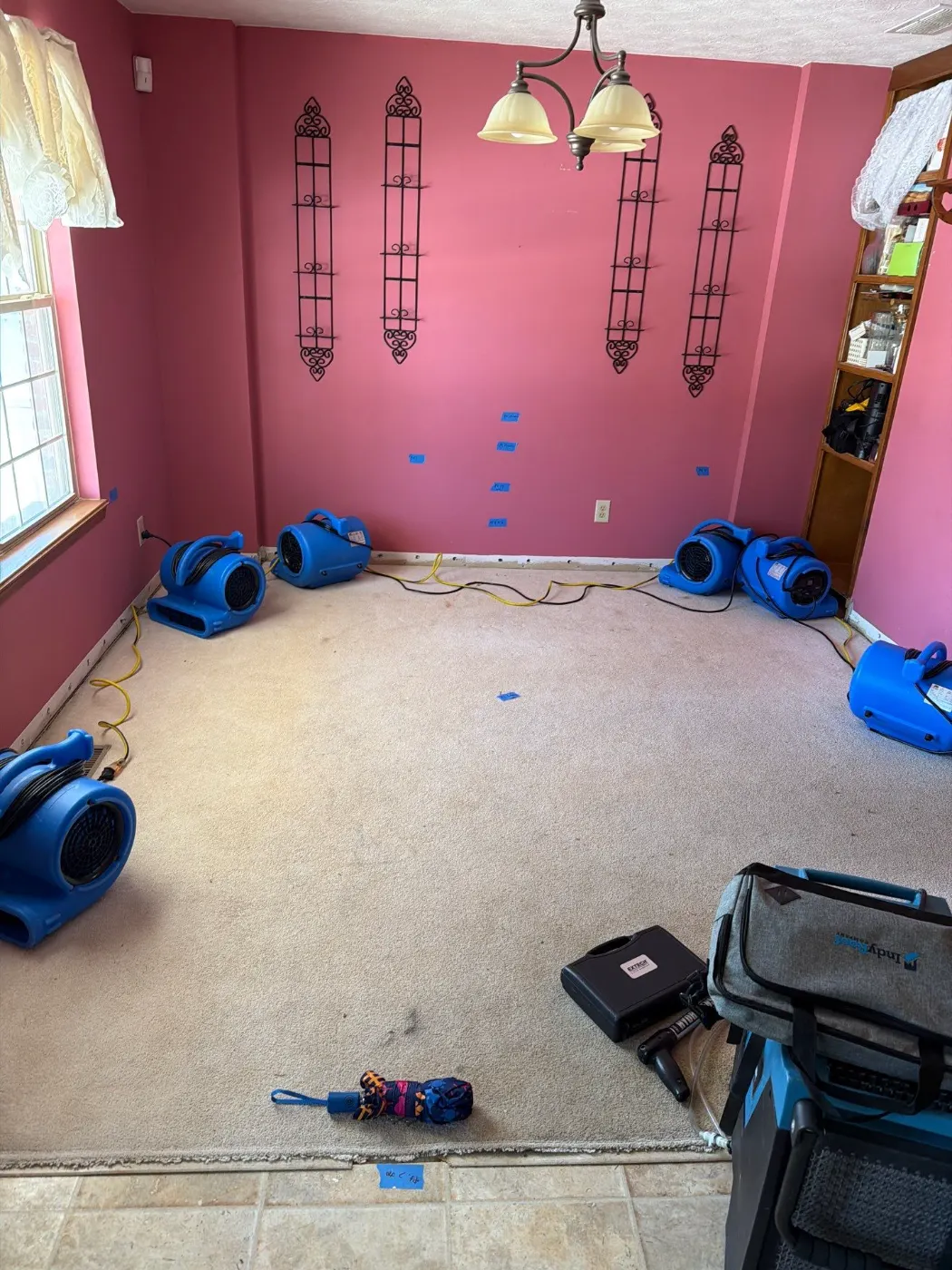
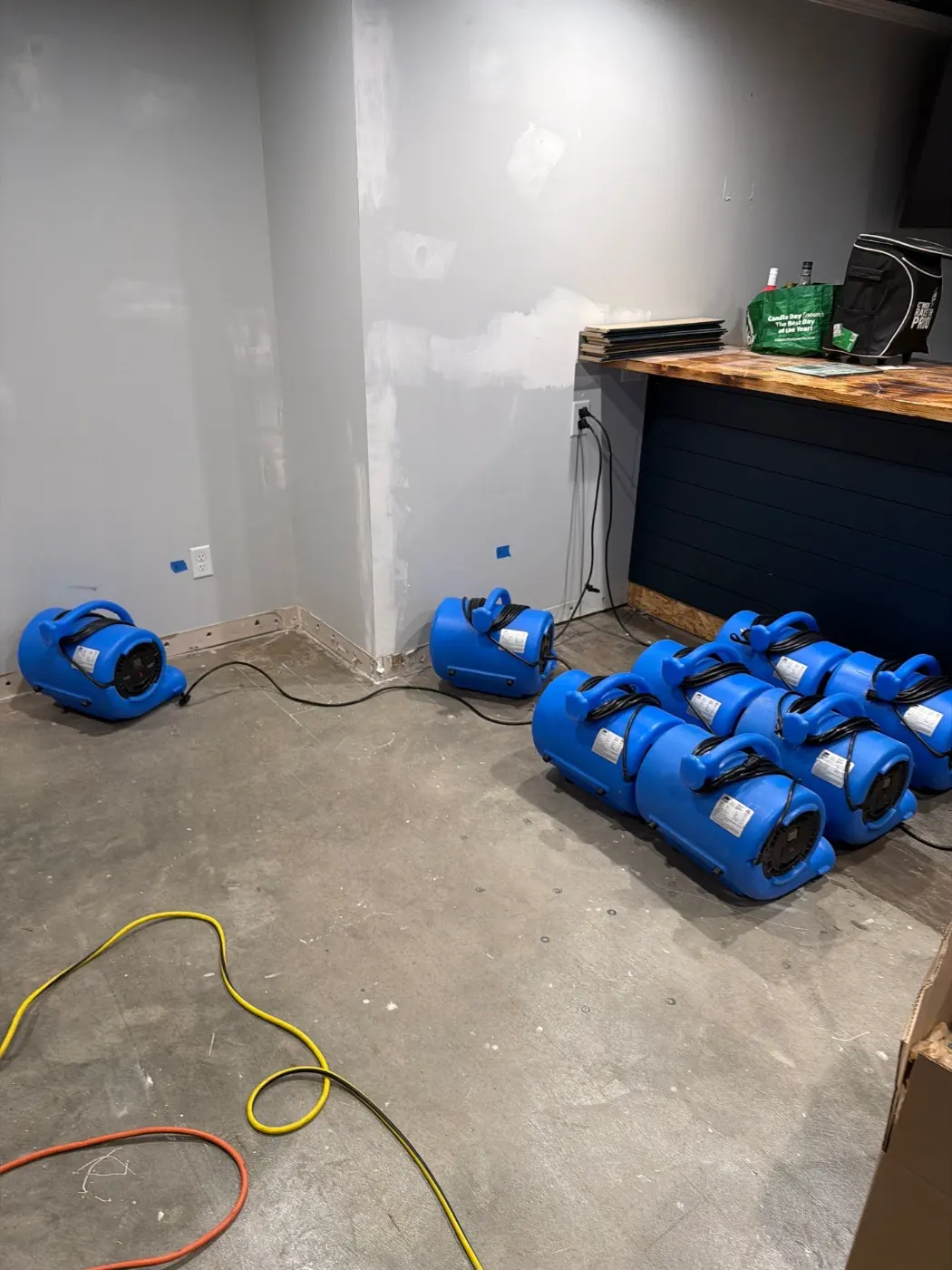
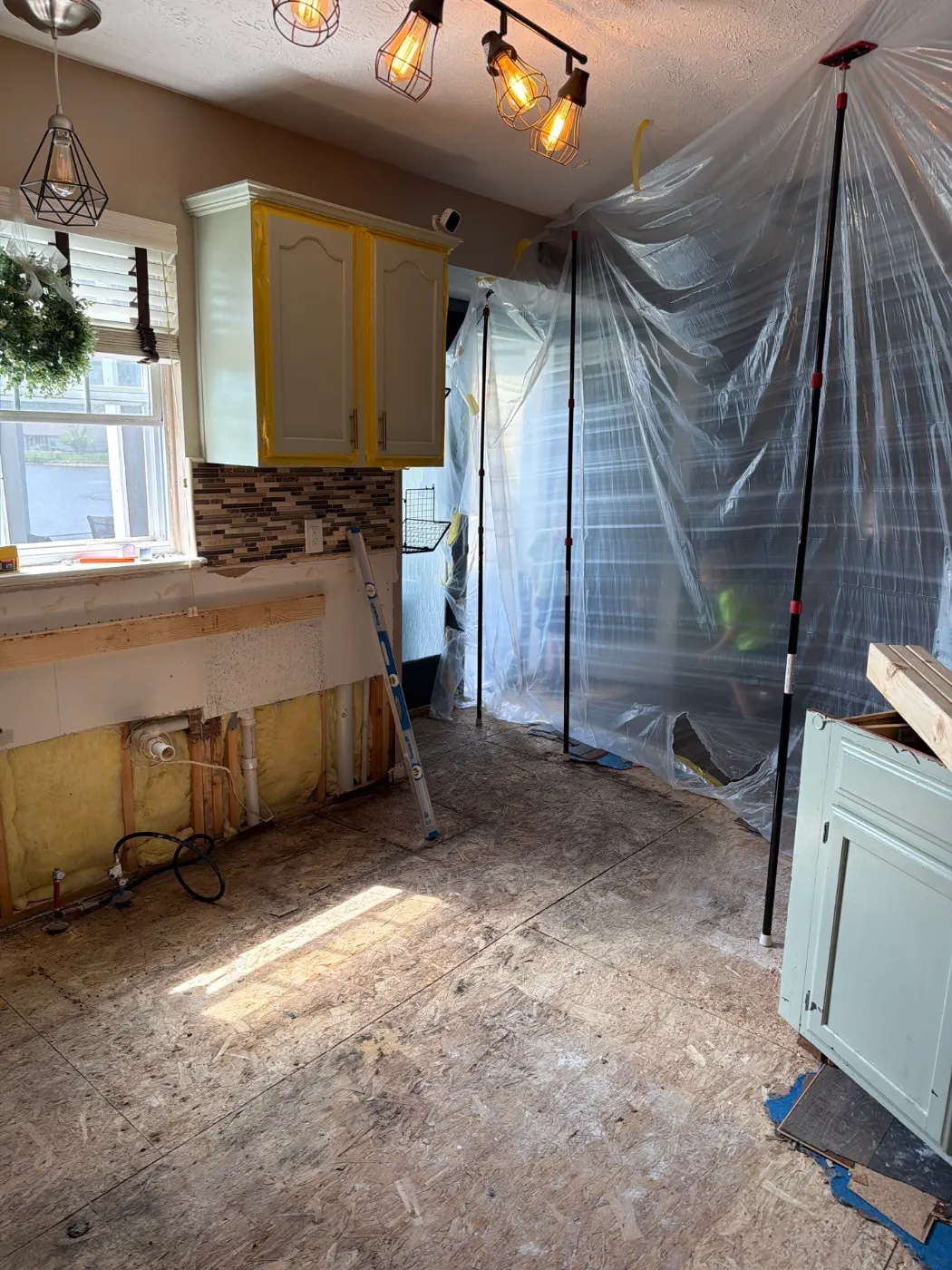
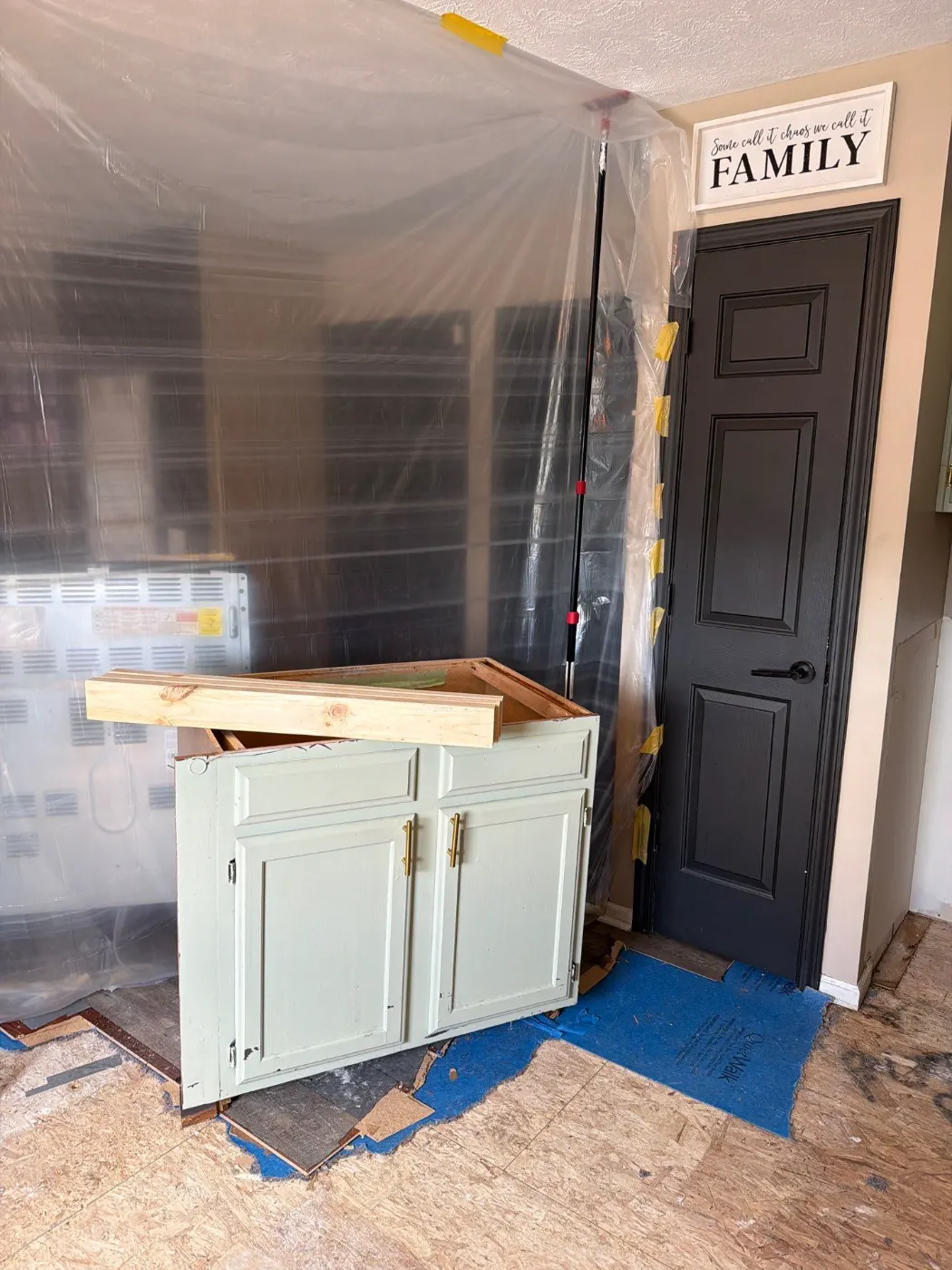
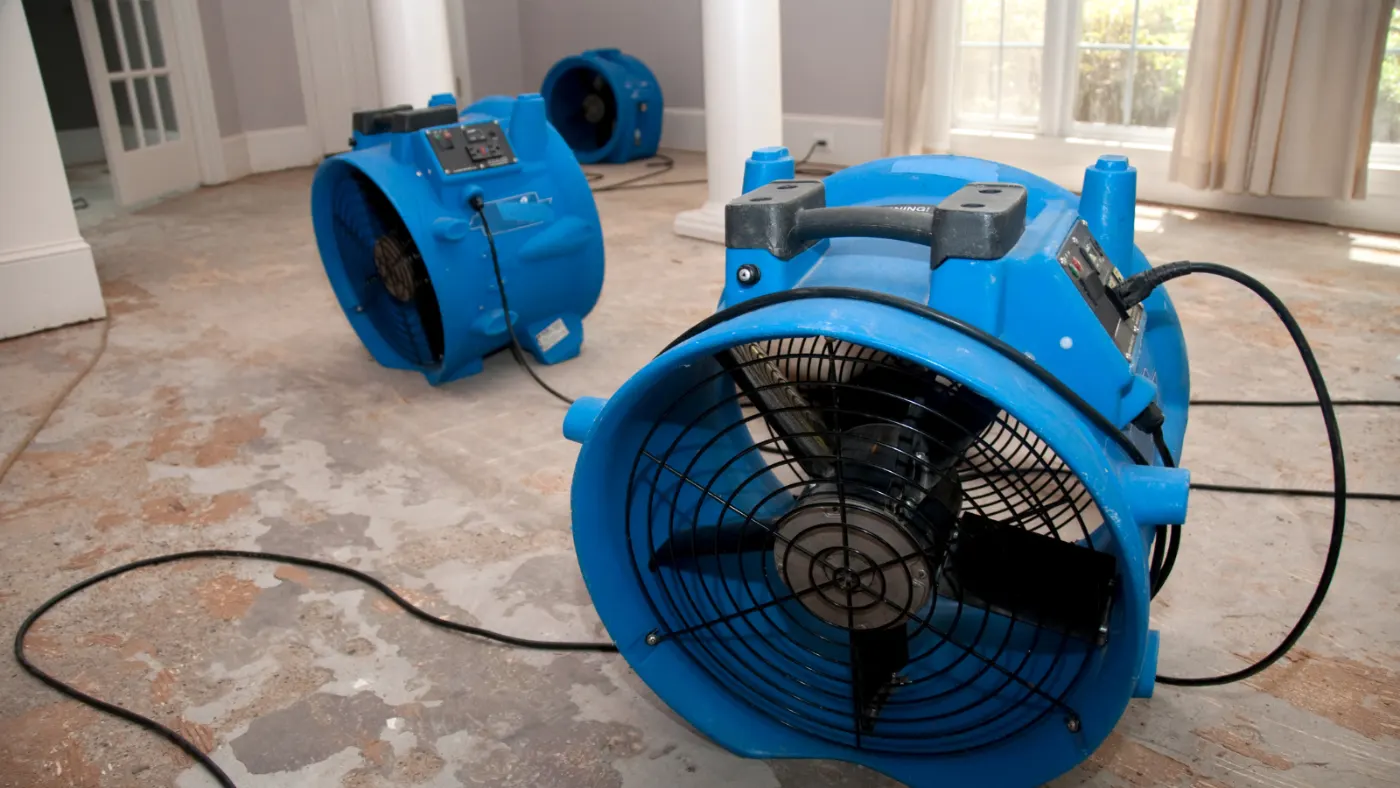
Photographs from real sewage cleanup jobs completed by our crew in Mount Comfort and surrounding areas.
Sewage Cleanup FAQ
Questions Mount Comfort homeowners ask us about sewage cleanup.
Guidance and Standards for Sewage Cleanup
- The ANSI/IICRC S500 is the published standard for professional water damage restoration. The current edition is the Fifth Edition, 2021. IICRC S500 Standard
- The Indiana Department of Insurance advises against permanent repairs before your insurance company inspects the damage. Check your own policy for what it covers. Indiana Department of Insurance: Insurance Claim Tips
Mount Comfort Neighborhoods We Serve
We take sewage cleanup calls in every part of Mount Comfort. Pick your neighborhood for local details.
Other Restoration Services in Mount Comfort
Mount Comfort Water Restoration handles the full scope of restoration work. Explore our other services below.
Water Damage Restoration in Mount Comfort
24/7 emergency response. IICRC certified water restoration from extraction to full dry out.
Learn more →Basement Flooding in Mount Comfort
Basement water emergencies handled fast. Extraction, drying, mold prevention.
Learn more →Storm Damage in Mount Comfort
Storm related water emergencies. Tarping, extraction, drying, and full restoration.
Learn more →Request Sewage Cleanup
Reach Us Directly
Our team is available 24/7 for emergencies and ready to schedule inspections during business hours.
Need Immediate Help?
For active water or mold emergencies, call us directly. We are available 24/7.