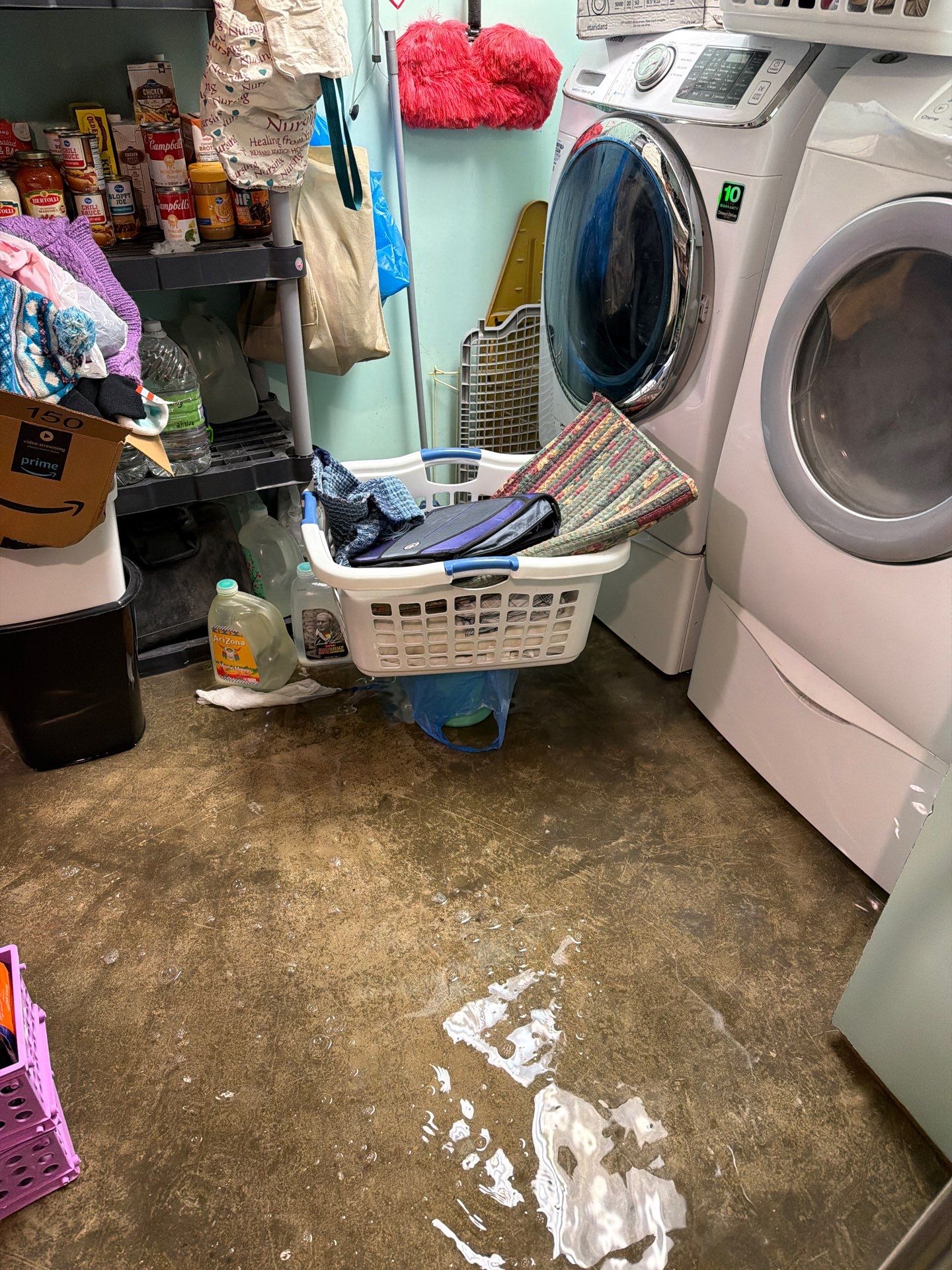
Why The Terminology Matters More Than You Think
Most homeowners in Mount Comfort call us asking for water damage repair, but what they actually need first is water mitigation. The two phases overlap, but they answer different questions. Mitigation answers "how do we stop this from getting worse right now?" Restoration answers "how do we put the house back the way it was?" Insurance carriers split these phases on your claim. Your adjuster will approve mitigation almost immediately because delay creates more damage, which means more payout. Restoration approval takes longer because it involves scopes, line items, and sometimes contractor bidding.
If you treat the two as one job, you create gaps. A contractor focused only on rebuild may skip proper drying. A mitigation crew without restoration capability may leave you hunting for a second company while baseboards sit in your garage. Understanding the split protects you. It also helps you ask the right questions when three trucks show up at your driveway promising the world. The language you use on the phone with your carrier also shapes how the claim is coded, which downstream affects how quickly funds release and whether you face delays on the rebuild side.
Water Damage vs Water Mitigation: Side By Side
The table below shows how these two phases differ across the variables that matter most when you are filing a claim and trying to get your house dry. Read it carefully. The implications affect timing, cost, and what you sign.
| Factor | Water Mitigation | Water Damage Restoration |
|---|---|---|
| Primary Goal | Stop loss, prevent secondary damage, dry the structure | Repair and rebuild damaged materials to pre-loss condition |
| Typical Start Time | Within 1 to 4 hours of the call | 3 to 10 days after mitigation is complete |
| Duration | 3 to 7 days on average | 1 to 6 weeks depending on scope |
| Core Activities | Water extraction, content moveout, antimicrobial treatment, dehumidification, moisture mapping | Drywall replacement, flooring install, painting, cabinetry, trim work |
| Equipment Used | Truck-mounted extractors, air movers, LGR dehumidifiers, moisture meters, thermal cameras | Standard construction tools, framing materials, finish carpentry equipment |
| Typical Cost Range | $1,500 to $6,500 for residential | $3,000 to $25,000+ depending on materials |
| Insurance Line Item | Emergency services, almost always covered for sudden losses | Dwelling repairs, subject to deductible and policy limits |
| IICRC Standard | S500 governs drying protocols | S500 plus general construction codes |
| Documentation Needed | Daily moisture logs, equipment placement records, psychrometric readings | Scope of work, line item estimates, before and after photos |
| Who Performs The Work | IICRC certified water restoration technicians | General contractors, finish trades, sometimes the same firm |
| Risk If Skipped | Mold within 48 to 72 hours, structural rot, ongoing high humidity | Cosmetic damage, reduced home value, unfinished living spaces |
What This Means For Your Claim And Your Timeline
Look at the cost rows. Mitigation typically runs less than restoration, but it has to happen first or restoration costs balloon. We have seen Mount Comfort homeowners try to skip mitigation, run a few box fans for a week, and then discover swollen subfloors, blackened drywall, and a mold colony behind the vanity. The eventual bill triples because now restoration includes demolition that proper mitigation would have prevented. The 48 to 72 hour mold window is real, and once that clock runs out, your mold remediation costs become a separate claim battle.
The documentation row matters too. Insurance carriers reject mitigation invoices that lack daily moisture readings and equipment logs. If your contractor cannot show drop sheets of relative humidity, grain depression, and material moisture content, the adjuster may push back on the bill. This is why IICRC certification matters. The S500 standard requires this paperwork, and certified firms generate it as a matter of course. Uncertified handymen often do not, and you end up holding the invoice.
Timing creates the other big trap. Some homeowners want mitigation and restoration done by separate companies to save money. That can work if both firms communicate, but more often the restoration crew arrives to find moisture still trapped in a wall cavity the mitigation crew missed. Now you have rework, finger pointing, and a delayed move-in. A single firm handling both phases under one project manager eliminates that handoff. At Mount Comfort Water Restoration, we run both phases when the client wants continuity, and we hand off cleanly to your preferred contractor when you do not.
Questions To Ask Before You Sign Anything
When a crew arrives at your Mount Comfort home, slow down for five minutes and ask pointed questions before you sign a work authorization. Ask whether the technicians on site hold current IICRC WRT certification, and ask to see the cards. Ask how many air movers and dehumidifiers they plan to place, and ask them to justify those numbers against the affected square footage. A proper drying plan is calculated, not guessed. Ask whether daily moisture readings will be shared with you and your adjuster, and confirm in writing who owns those records when the job closes.
Ask about the contract itself. Some firms include a direction of payment clause that assigns your insurance proceeds directly to them. That can speed things up, but it also means you lose leverage if work quality slips. At Mount Comfort Water Restoration, we walk every client through that paragraph before pens come out. Clarity at hour one prevents disputes at week six, and it sets the tone for a project where everyone knows their role.
How To Tell Which Phase You Are In
If water is still present, if materials are still wet, if you can smell that damp mineral odor, you are in mitigation. Restoration has not started and should not start. If your moisture meters read at equilibrium with unaffected areas of the home, mitigation is complete and restoration can begin. A reputable firm will show you the readings before recommending demolition or rebuild. If someone tries to skip straight to drywall replacement without drying the structure, get a second opinion. You can read more on the full water mitigation process and emergency drying to understand what proper protocol looks like, or review our water damage restoration service overview for the rebuild phase.