The 7 Categories of Materials We Evaluate After a Backup
Every sewage job starts with a triage walkthrough. Here is the order we work through, and what almost always happens with each category.
- Porous flooring (carpet, pad, laminate, engineered wood)
- Drywall and wall insulation
- Subflooring (particleboard, OSB, plywood)
- Cabinetry and built ins
- Soft goods (upholstery, mattresses, clothing)
- Mechanical systems (enclosed wall spaces, water heaters at floor level)
- Hard surfaces (tile, sealed concrete, hardwood)
Always Replaced: The Non-Negotiables
These items absorb contamination too deeply to decontaminate. We bag, document, and dispose of them per local Mount Comfort waste rules.
- Carpet and carpet pad that contacted sewage
- Laminate flooring (the fiberboard core swells and traps bacteria)
- Particleboard subfloor or cabinet bases
- Fiberglass batt insulation in affected wall cavities
- Drywall up to at least 12 to 24 inches above the waterline
- Mattresses, box springs, upholstered furniture with direct contact
- Cardboard boxes, books, paper records in the wet zone
- Pet bedding, kids' plush toys, foam play mats
- Wicker, rattan, and any woven natural fiber furniture
- Toys, sippy cups, and pacifiers that were on the floor
If you want the deeper science on why Category 3 demands removal instead of cleaning, our breakdown of black water damage and Category 3 emergency cleanup walks through the contamination thresholds.
What Happens After Removal
Demolition is only step one. After contaminated materials leave the home, the real restoration work begins.
- HEPA vacuuming of all exposed surfaces
- Two stage antimicrobial application on framing and subfloor
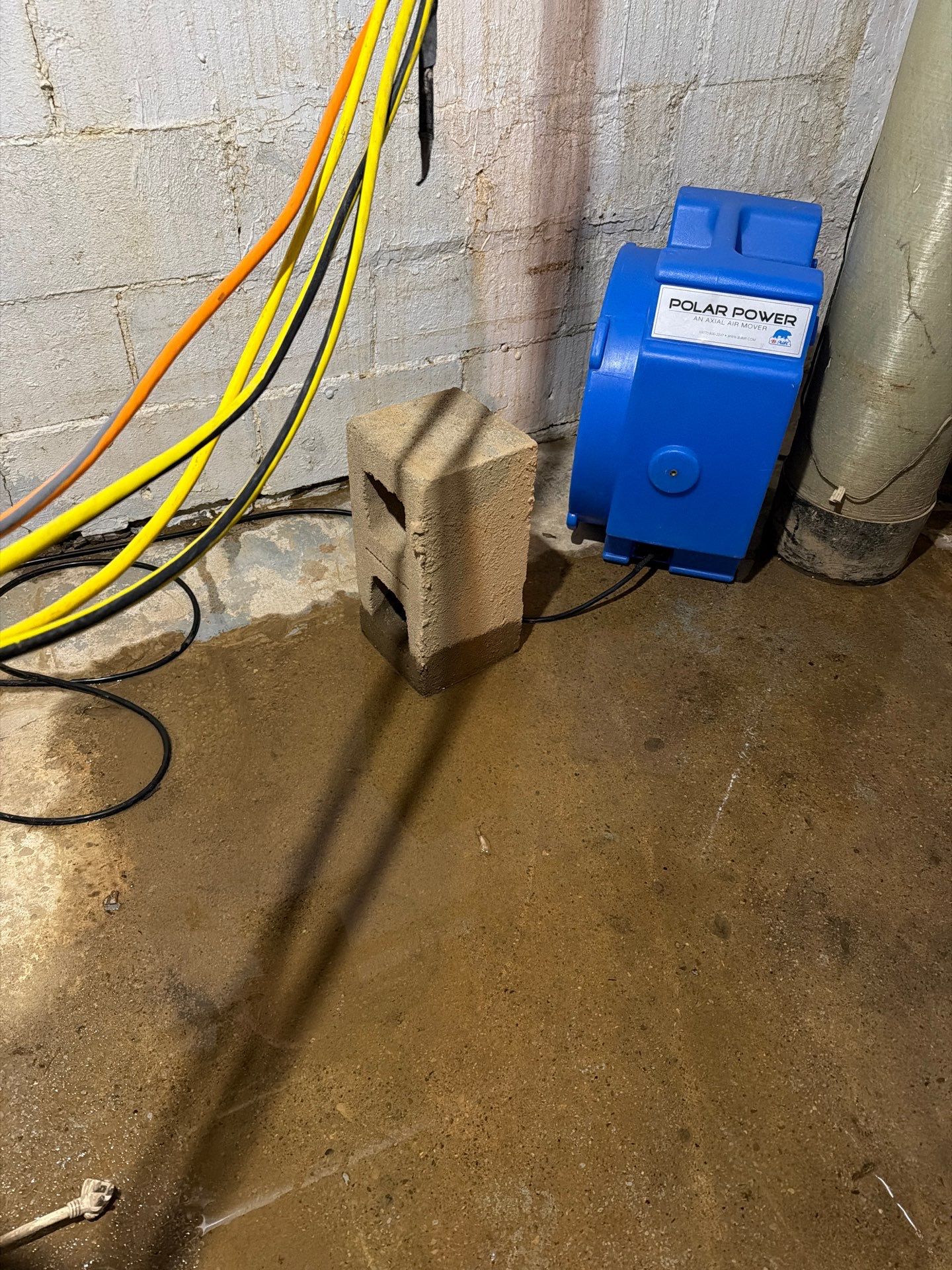
- Structural drying with air movers and dehumidifiers until materials hit dry standard
- Post remediation verification with moisture meters and, when warranted, air quality testing
- Sealing of framing with an antimicrobial primer before rebuild
- Rebuild scope handoff to your contractor or our build division
Mount Comfort Water Restoration crews stay on site through drying and verification, not just demo day. A typical Mount Comfort sewage job runs 4 to 7 days from extraction to clearance, depending on square footage and how saturated the framing got.
Almost Always Saved (With Proper Cleaning)
These items handle decontamination well because they are non porous and accessible.
- Ceramic and porcelain tile
- Sealed concrete slab floors
- Glass, metal, and hard plastic items
- Solid wood furniture above the waterline
- Stone countertops and sealed stone tile
- Stainless steel appliances (if not submerged at the motor)
- Sealed quartz and granite surfaces
- Powder coated metal shelving and tool chests
Typical Replacement Cost Ranges in Mount Comfort
Numbers vary by material grade and access, but most Mount Comfort homeowners can plan around the following ballpark ranges per affected room.
- Carpet and pad replacement: $3 to $7 per square foot installed
- Drywall demo and rebuild: $4 to $9 per linear foot of wall
- Subfloor replacement: $6 to $12 per square foot including framing prep
- Lower cabinet replacement: $200 to $600 per linear foot
- enclosed wall spaces replacement: $35 to $75 per linear foot for flex runs
These are restoration grade ranges, not bargain remodel pricing. Sewage rebuilds carry tighter material specs and more inspection steps than a standard finish out.
Sometimes Salvageable: It Depends on Exposure
Some materials live in a gray zone. We test, inspect, and make the call based on contact time, contamination level, and structural condition.
- Solid hardwood flooring: If caught fast and the subfloor is sealed plywood, we can sometimes dry, sand, and refinish. Engineered wood almost never makes it.
- Plywood subfloor: Salvageable if sealed, dried below 16% moisture content, and passes antimicrobial treatment.
- Solid wood cabinets: Face frames and doors often survive. Toe kicks and bottom panels usually do not.
- Tile flooring with grout: Tile itself is fine. Grout lines need aggressive disinfection or replacement.
- HVAC ductwork: Metal ducts can be cleaned and sanitized. Flex duct or fiberboard duct gets replaced.
- Washable clothing and linens: Hot wash with disinfectant on dry cleanable items can recover most fabric.
- Leather furniture: Sealed leather sometimes survives if framing and cushions stayed dry. Suede does not.
- Area rugs: Wool and synthetics can be off site cleaned if the backing is intact. Jute backings are usually a loss.
The decision often hinges on two numbers: how long the material sat wet, and how high the bacterial load tested. Contact times under 24 hours give us more room to save things. Past 72 hours, even borderline items usually fail clearance.
When to Call Mount Comfort Water Restoration
If sewage has touched anything in your home, the clock starts immediately. Bacteria double in roughly 20 minute cycles in warm standing water, and porous materials cross the salvage line faster than most people expect.
- Call as soon as the backup is contained, even before cleanup starts
- Keep people and pets out of the affected rooms
- Shut off HVAC at the thermostat
- Photograph everything before moving items
- Wait for our crew, in most cases within 2 hours, before pulling materials yourself
The faster we get eyes on the scene, the more of your home and belongings we can keep out of the dumpster.
The Cut Lines We Use
Where we cut drywall and remove flooring is not a guess. Here are the standard markers our techs work from on Mount Comfort sewage jobs.
- Drywall: Minimum 12 inches above visible contamination. Bump to 24 inches if insulation is wet behind it.
- Baseboards: Always removed in affected rooms. They trap moisture behind them.
- Subfloor: Cut back to the nearest joist beyond the contamination boundary.
- Wall cavity insulation: Removed in any bay where moisture reached the bottom plate.
- Vapor barriers in crawl spaces: Replaced entirely if sewage pooled on top.
- Door casings and jambs: Bottoms cut off or full units replaced when MDF cores are wet.
- Closet shelving: Particleboard shelving pulled out even if it looks dry on top.
These cuts are not arbitrary. They give us access to dry the structure properly and verify there is no hidden moisture feeding mold growth. If you are unsure how aggressive the demo should be, our guide on how much drywall has to come out after water damage covers the decision tree we use.
What Insurance Typically Covers
Most homeowner policies handle sewage backup only if you carry a specific sewer and drain backup endorsement. Without it, you may be paying out of pocket. Here is what we document for every claim:
- Photos before, during, and after each removal
- Moisture readings logged daily
- Material inventory with square footage
- Antimicrobial application logs
- Final clearance moisture map
- Disposal manifests for contaminated debris
- Equipment placement diagrams for drying chambers
Insurers expect IICRC-aligned documentation. We provide it without being asked. For a full walkthrough of the claim side, the complete water damage insurance claim process is a useful read before you call your adjuster.
Mistakes Homeowners Make (Please Avoid These)
- Trying to wet vac sewage with a household shop vac
- Pouring bleach on wet carpet and hoping for the best
- Running the HVAC system, which spreads contamination through ducts
- Storing salvageable items back into a room before clearance testing
- Skipping documentation and then fighting the insurance carrier later
- Painting over stained drywall instead of cutting it out
- Reusing baseboards to save money on the rebuild
Every one of these adds cost and risk. Sewage cleanup is one job where the DIY route almost never saves money once you factor in failed drying, mold growth, and the eventual professional callback.